 Gas Safe Registered (939913)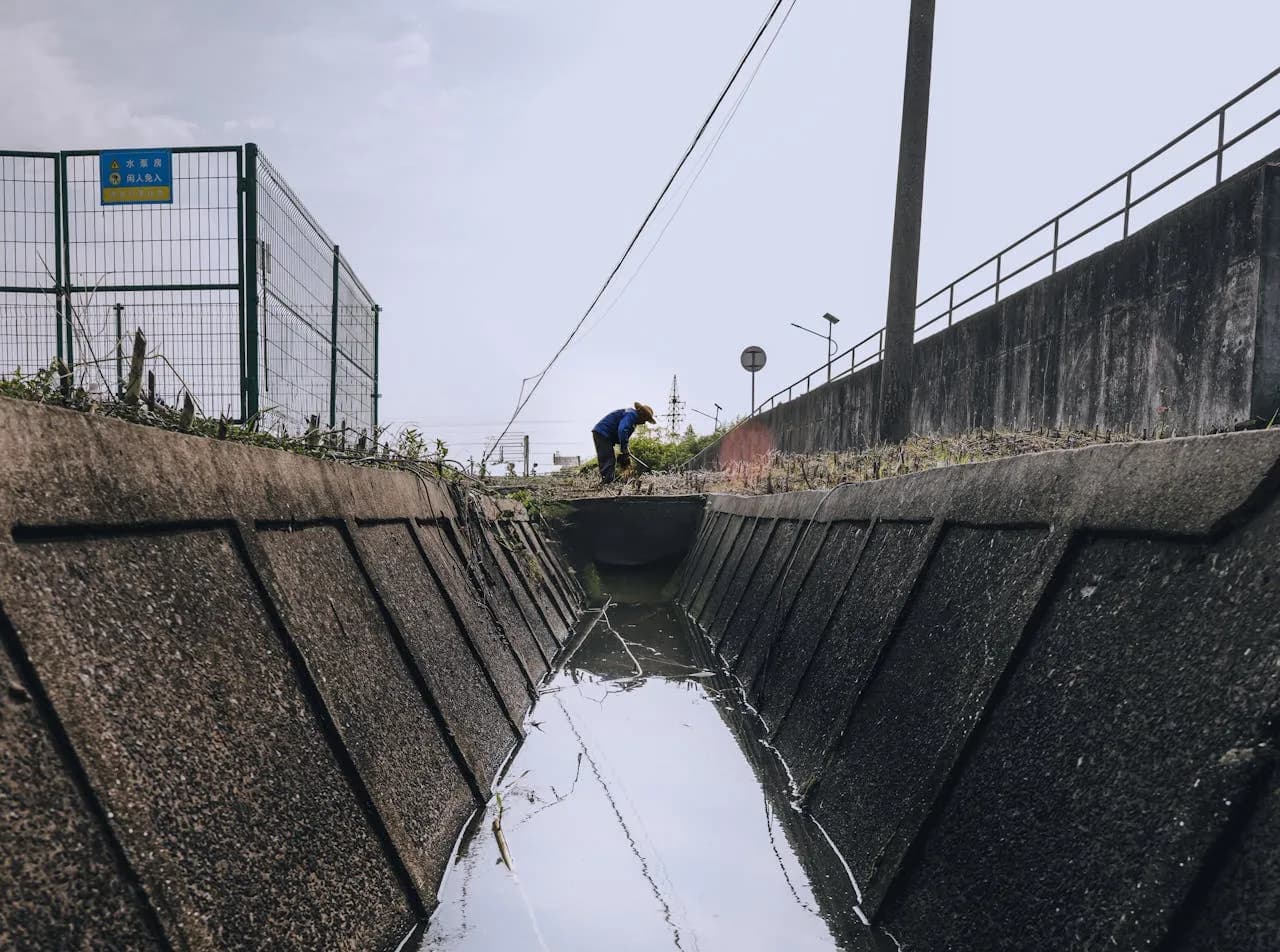
How to Unblock a Drain in Yeovil: A Complete Homeowner's Guide
Blocked drains are one of the most common plumbing problems faced by homeowners across Yeovil, Sherborne, and the surrounding South Somerset area. Whether it's a slow-draining sink, a gurgling toilet, or an unpleasant odour coming from your drains, knowing how to unblock a drain in Yeovil can save you time, money, and stress.
In this comprehensive guide, we'll walk you through the most effective DIY methods for clearing blocked drains, explain when you should call a professional plumber, and share preventative measures to keep your drainage system flowing freely.
Understanding Why Drains Become Blocked
Before tackling a blockage, it's helpful to understand what causes drains to block in the first place. The most common culprits include:
Kitchen drains: Fat, oil, and grease (FOG) that solidifies in pipes, combined with food particles and coffee grounds.
Bathroom drains: Hair, soap scum, toothpaste residue, and personal care products that accumulate over time.
Toilet drains: Excessive toilet paper, sanitary products, wet wipes (even those labelled "flushable"), and foreign objects.
External drains: Leaves, tree roots, soil, and debris that enter outdoor drainage systems.
In older properties around Bradford Abbas, West Coker, and East Coker, ageing pipes and outdated drainage systems can also contribute to recurring blockages.
DIY Methods for Unblocking Drains
The Plunger Method
The humble plunger is your first line of defence against blocked drains. For sinks and basins, use a cup plunger; for toilets, use a flange plunger with an extended rubber flap.
How to use it:
- Ensure there's enough water in the sink or toilet to cover the plunger cup
- Create a tight seal over the drain opening
- Push down firmly, then pull up sharply without breaking the seal
- Repeat 15-20 times with quick, forceful movements
- Check if water drains away freely
If you're dealing with a double sink, block the second plughole with a damp cloth to create proper suction pressure.
Boiling Water Technique
For kitchen sinks blocked with grease and fat, boiling water can be surprisingly effective and is the simplest method to try first.
How to use it:
- Boil a full kettle of water
- Pour the boiling water directly down the drain in stages
- Wait a few minutes between pours to allow the heat to work
- Flush with cold water to wash away loosened debris
Warning: Don't use boiling water on toilets or PVC pipes, as extreme heat can crack porcelain or damage plastic fittings.
Baking Soda and Vinegar Solution
This natural, chemical-free method works well for mild to moderate blockages and helps eliminate odours.
How to use it:
- Pour a kettle of boiling water down the drain
- Add half a cup of baking soda and let it sit for 5 minutes
- Pour a mixture of one cup of vinegar and one cup of hot water down the drain
- Cover the drain with a plug or cloth
- Wait 10 minutes while the fizzing reaction breaks down the blockage
- Flush with another kettle of boiling water
This method is particularly effective for drains in properties around Mudford and Barwick where hard water deposits can combine with soap scum.
Using a Drain Snake or Auger
For stubborn blockages further down the pipe, a drain snake (also called a plumber's auger) can be invaluable.
How to use it:
- Insert the snake's cable into the drain opening
- Turn the handle clockwise whilst pushing the cable forward
- When you feel resistance, you've reached the blockage
- Continue turning to break up or hook the obstruction
- Slowly pull the cable back out, bringing debris with it
- Flush the drain with hot water
You can purchase a basic drain snake from most DIY stores in Yeovil town centre for around £10-20, making it a worthwhile investment for homeowners.
Chemical Drain Cleaners: Use with Caution
Whilst chemical drain unblockers are readily available, we recommend using them sparingly and as a last resort before calling a professional.
Important considerations:
- They can damage older pipes, particularly in period properties around Montacute and Martock
- Caustic chemicals are harmful to the environment
- They're ineffective against solid obstructions like tree roots or foreign objects
- Mixing different products can create dangerous chemical reactions
- They pose health risks if splashed on skin or inhaled
If you do use a chemical cleaner, always follow the manufacturer's instructions precisely, wear protective gloves and eyewear, and ensure adequate ventilation.
When to Call a Professional Plumber in Yeovil
Some drainage problems require professional expertise and specialist equipment. You should contact a qualified plumber if:
Multiple drains are blocked: This suggests a problem with your main sewer line rather than individual drain pipes.
DIY methods haven't worked: If you've tried plunging, snaking, and natural solutions without success, the blockage may be too severe or too far down the system.
Water backs up into other fixtures: When you flush the toilet and water appears in the shower tray, or the sink gurgles when you use the washing machine, there's a serious drainage issue that needs professional attention.
Sewage odours persist: Foul smells that don't improve after cleaning indicate a deeper problem, potentially with your drainage ventilation or a cracked pipe.
You suspect structural damage: Tree roots, collapsed pipes, or ground movement can cause blockages that require CCTV drain surveys and excavation work.
Regular recurring blockages: If the same drain blocks repeatedly, there's an underlying issue that needs professional diagnosis.
At Chris Letts Plumbing & Heating, we offer comprehensive drainage services across Yeovil and surrounding areas, using professional-grade equipment including high-pressure water jetting and CCTV drain cameras to identify and resolve even the most stubborn blockages.
Preventing Future Drain Blockages
Prevention is always better than cure when it comes to drainage problems. Here are practical steps to keep your drains flowing freely:
In the kitchen:
- Never pour fat, oil, or grease down the sink—collect it in a container and dispose of it in the bin
- Use sink strainers to catch food particles
- Run hot water through the sink after each use
- Avoid putting coffee grounds, eggshells, or fibrous vegetables down the disposal
In the bathroom:
- Install drain guards to catch hair in showers and baths
- Flush with hot water weekly to prevent soap scum build-up
- Only flush toilet paper and human waste—nothing else
- Clean plug holes regularly to remove accumulated debris
Outside:
- Keep external drain covers clear of leaves and debris
- Trim back tree roots that may infiltrate underground pipes
- Have your drains professionally cleaned every 18-24 months
- Consider installing root barriers if you have large trees near drainage pipes
For homeowners in South Petherton and other rural areas, be particularly vigilant about external drains during autumn when falling leaves can quickly overwhelm drainage systems.
Understanding Your Drainage System
Modern properties typically have separate systems for surface water (rainwater) and foul water (from toilets, sinks, and appliances). Older properties, particularly in conservation areas around Sherborne, may have combined drainage where everything goes into the same pipes.
Knowing which system you have helps when troubleshooting blockages. Check your property deeds or contact your local water authority if you're unsure.
You're responsible for:
- All drains within your property boundary
- Pipes serving only your property
The water company is responsible for:
- Public sewers
- Lateral drains (pipes connecting your property to the public sewer)
Understanding this distinction matters when deciding whether to call a private plumber or your water company.
Emergency Drainage Problems
Some drainage situations require immediate professional attention, particularly if sewage is backing up into your home. Chris Letts Plumbing offers a 24/7 emergency plumbing service with no call-out fee, ensuring you're never left dealing with a drainage crisis alone.
Signs you need emergency help include:
- Raw sewage backing up through toilets or drains
- Multiple fixtures overflowing simultaneously
- Flooding from external drains
- Complete blockage preventing any drainage
Don't wait until morning if you're experiencing a drainage emergency—delayed action can lead to property damage, health hazards, and significantly higher repair costs.
Professional Drain Unblocking Services in Yeovil
When DIY methods aren't enough, professional plumbers have access to specialist equipment that homeowners don't:
High-pressure water jetting: Powerful jets of water can clear even the most stubborn blockages, including tree roots and solidified fat deposits.
Electro-mechanical cleaning: Motorised drain snakes with cutting heads can break through tough obstructions.
CCTV drain surveys: Camera inspection identifies the exact location and nature of blockages, plus any structural problems with your drainage system.
Drain excavation and repair: When pipes are damaged or collapsed, professional excavation and replacement may be necessary.
With over 15 years of experience serving homeowners throughout Yeovil and the surrounding areas, Chris Letts Plumbing has resolved countless drainage problems, from simple kitchen sink blockages to complex sewer line repairs.
The Cost of Professional Drain Unblocking
Many homeowners hesitate to call a plumber due to cost concerns, but professional drain unblocking is often more affordable than you might think—and cheaper than the property damage that can result from ignoring drainage problems.
Factors affecting the cost include:
- The location and severity of the blockage
- Time required to clear the obstruction
- Equipment needed (manual tools vs. high-pressure jetting)
- Whether excavation work is necessary
- The time of day (emergency call-outs may incur higher rates)
We provide transparent quotes before starting any work, so you'll always know exactly what you're paying for. There are no hidden charges, and our no call-out fee policy means you won't pay extra just for us to attend your property.
Conclusion: Keeping Yeovil's Drains Flowing
Knowing how to unblock a drain in Yeovil empowers you to tackle minor drainage problems quickly and effectively. The plunger, boiling water, and baking soda methods can resolve many common blockages without professional help, saving you time and money.
However, recognising when a drainage problem requires professional expertise is equally important. Attempting to force a severe blockage or using excessive chemicals can cause more harm than good, potentially damaging your pipes and leading to costly repairs.
If you're dealing with a stubborn blockage, recurring drainage problems, or suspect a more serious issue with your drainage system, don't hesitate to contact Chris Letts Plumbing. We serve homeowners throughout Yeovil, Sherborne, Bradford Abbas, and all surrounding villages in South Somerset and North Dorset, offering professional drainage services backed by over 15 years of experience and Gas Safe registration.
Whether you need emergency assistance or would like to schedule a preventative drain cleaning service, we're here to help keep your home's plumbing system functioning perfectly—from fixing leaking taps to resolving complex drainage issues. Call us today on [your phone number] or visit our contact page to arrange an appointment.
Need a Reliable Plumber in Yeovil?
Chris Letts Plumbing & Heating is here to help. Gas Safe registered, fully insured, and trusted across South Somerset.
Related Articles
How to Unblock a Drain in Yeovil: A Complete Homeowner's Guide
Blocked drain in Yeovil? Our comprehensive guide shows you how to unblock drains yourself and when to call a professional plumber.
How to Unblock a Drain in Yeovil: A Complete Guide for Homeowners
Comprehensive guide to unblocking drains in Yeovil. Learn DIY methods, when to call a professional plumber, and how to prevent future blockages.
How to Fix a Leaking Tap: Step-by-Step Guide for Yeovil Homeowners
Learn how to fix a leaking tap with our comprehensive DIY guide. Step-by-step instructions for Yeovil homeowners to stop drips and save water.